

There’s nearly 20 in our “room,” and no one is sitting next to me.
Broadcasting live from his bedroom wearing a “Speak your Truth” t-shirt, Dylan Collins introduced the next poet, who joined in a picture below him. Todd Loughran smiled as he appeared on everyone’s screen. Down in the chatbox, hearts and clapping emojis welcomed him back.
Collins, the host of the open mic group Word Humboldt, looked down at the camera and asked Loughran, “How has this week been treating you?”
Loughran itched his beard, wrinkled his nose, and let out a large “Hmm.”
“About the same as last week?” Collins said before giving out a nervous laugh.
“A little worse, but not too much. Just some personal news that came by that just wasn’t good,” Loughran said. “It doesn’t really change anything. It just pushed any plans I made back a little longer.”
“Well I’m glad you’re here with us, very excited to hear your words,” Collins said. “You got some new stuff?”
“I do, but I feel like reading some Old, for the moment,” Loughran said.
“You got that old shit, okay! All right Todd, do your thing man.” Dylan gets up from his seat to give Loughran the full spotlight.
Normally this introduction would happen in person at Northtown Coffee in Arcata.
The COVID-19 quarantine closed the home venue for Word Humboldt.
Since the shutdown, Collins and his team have been hosting live-streams from home and haven’t missed a single week of open mic.
“Oddly, to me, this is the one thing that I had on the schedule all week,” Collins said. “I’m thankful we still have Tuesdays, even though it’s different. We still got each other.”
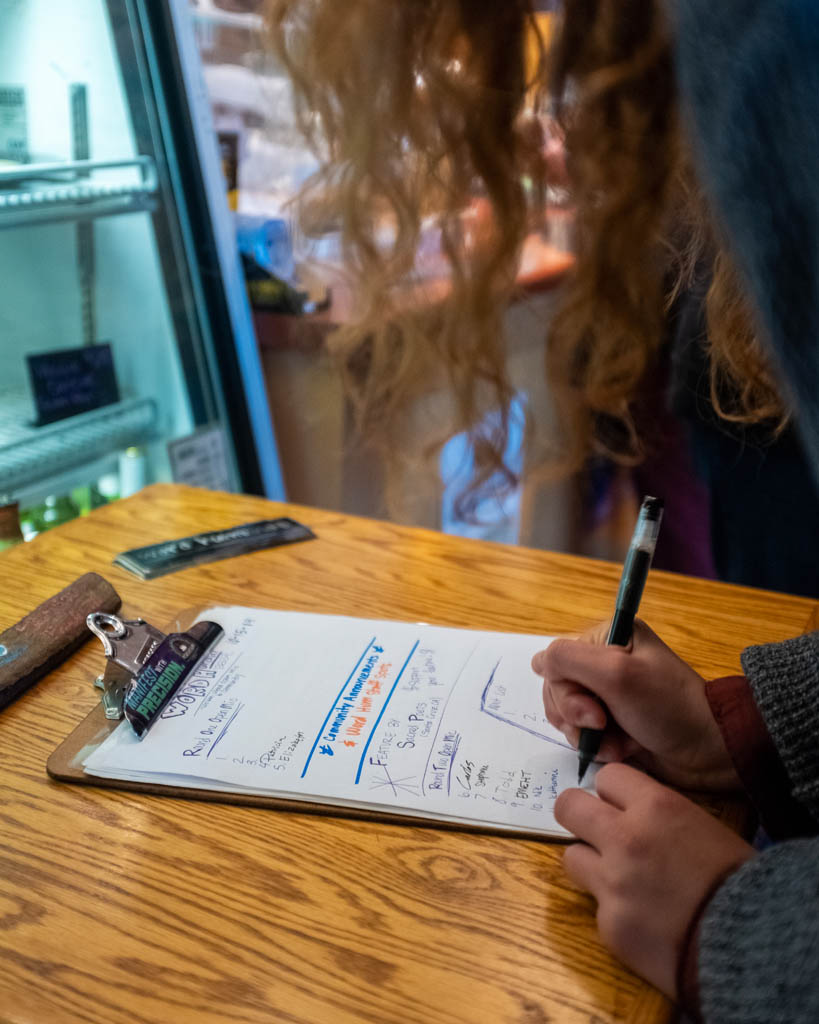
Before the 7 P.M. open mic started, Word Humboldt invited anyone to secure their spot on a waitlist. Anyone who missed last week is first to start this week, in order to make sure everyone who wishes to speak gets the chance.
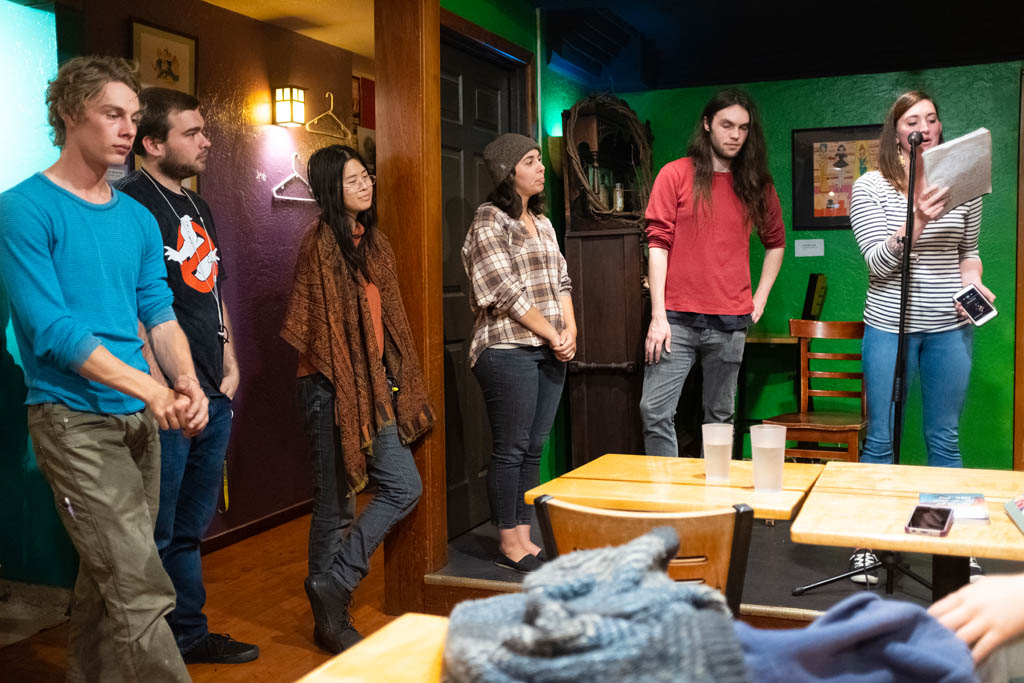
The hosts of Word Humboldt set some ground rules, or common values, to make sure everyone is on the same playing field and feels comfortable. Word Humboldt co-host Will Gibson introduced three rules.
1st: everyone is allowed the freedom to speak, but are not free from consequences.
2nd: no homophobic, xenophobic, racist or misogynistic remarks.
3rd: welcome each other’s writing.
And a 4th, unwritten rule: don’t be a dick.
Alyssa Muro, volunteer for Word Humboldt, said these rules are set in place for people to feel comfortable enough to perform on stage. They also encourage the audience to snap their fingers, say “mmm,” or ask them to repeat a line if they like it.
“It’s like a venting space,” Muro said. “For a lot of people, it’s like therapy for them to write things down to show with the crowd and know they’ll be accepted and heard.”
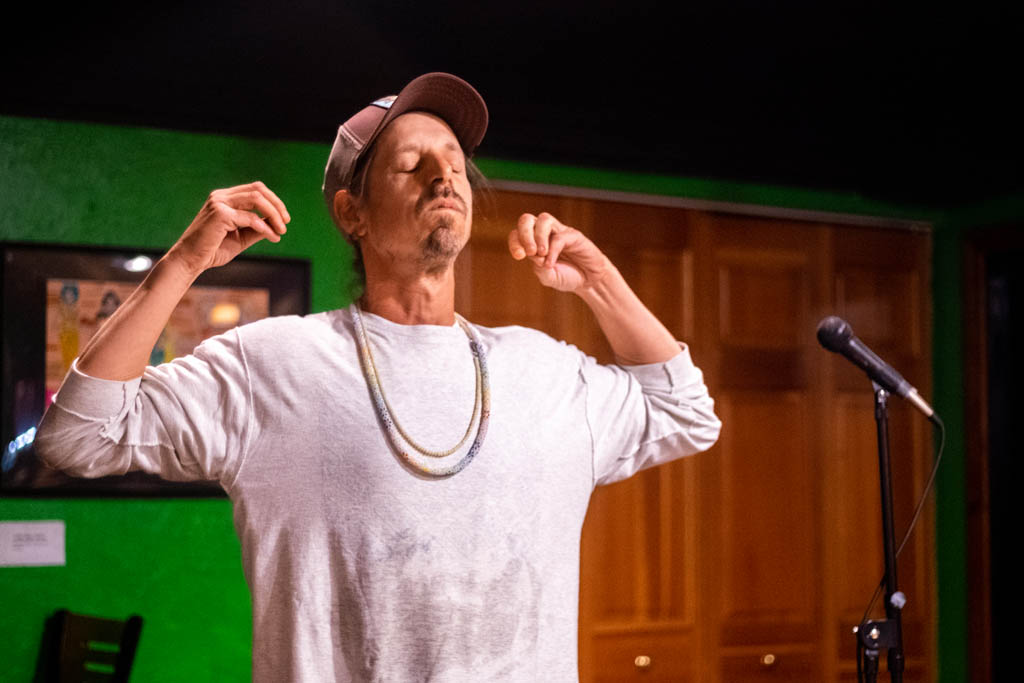
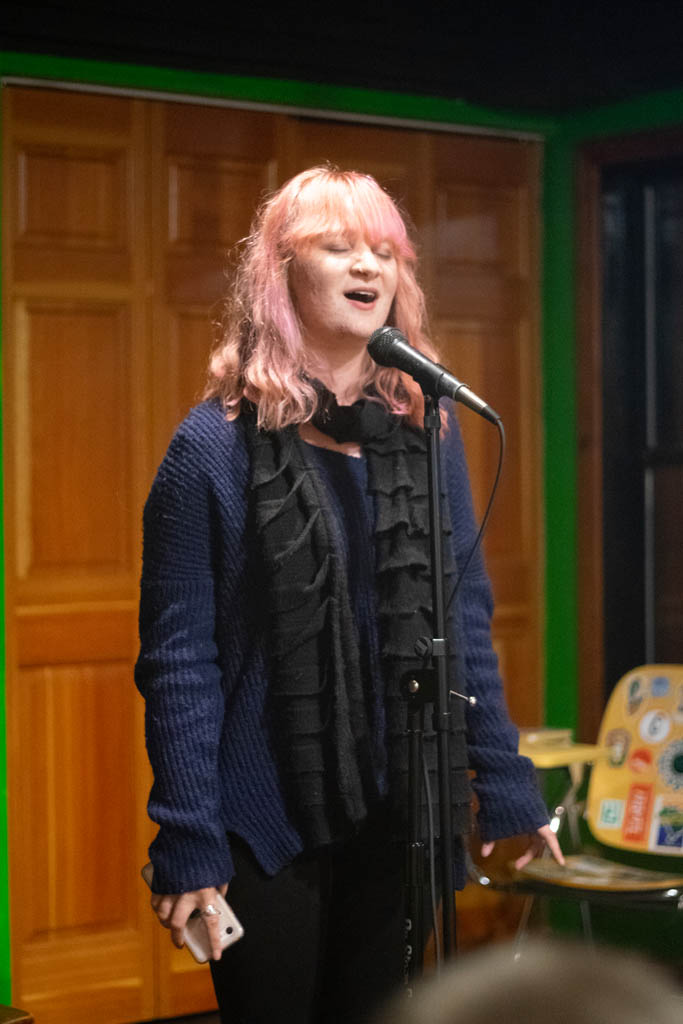
Performers at poetry night come to express some of their innermost thoughts. In the course of a night, poets spoke of coronavirus fears, broken hearts and complex relationships with parents.
“For me, it’s therapeutic,” said Daniel Ruggles, volunteer for Word Humboldt. “It’s kind of a way to be constructive with all these like, really toxic or really intense emotions that I get in just playing out there and gaining support.”

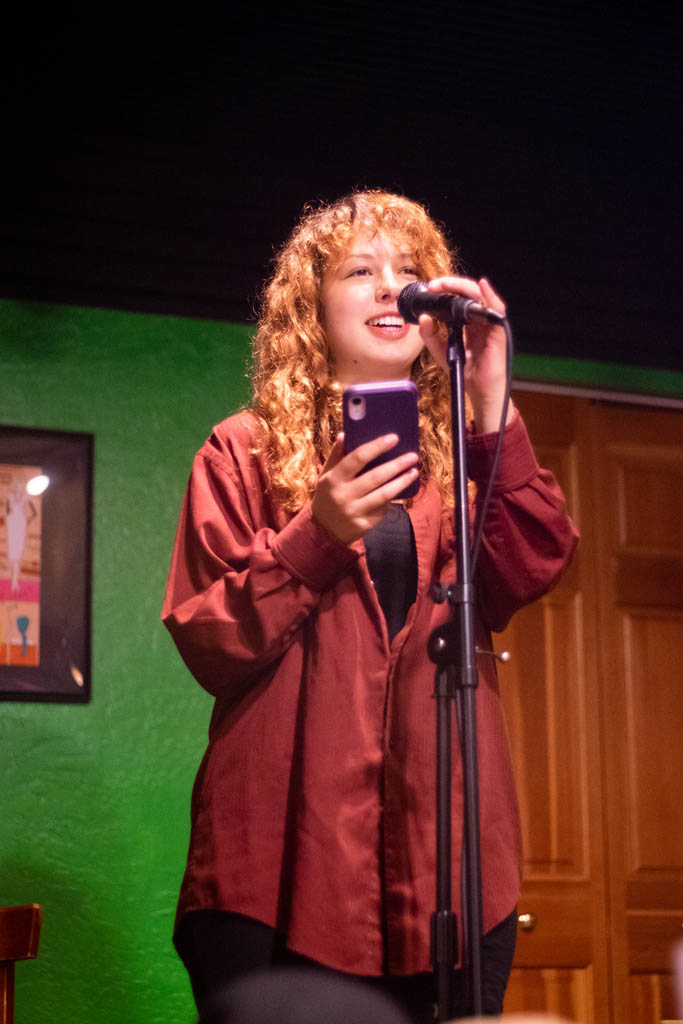
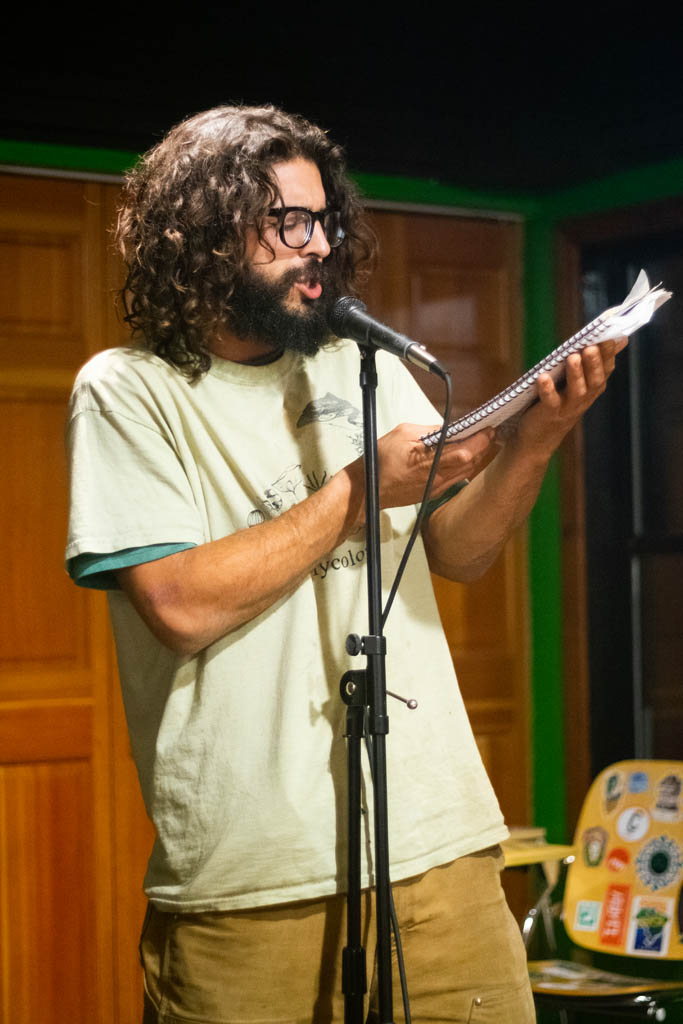
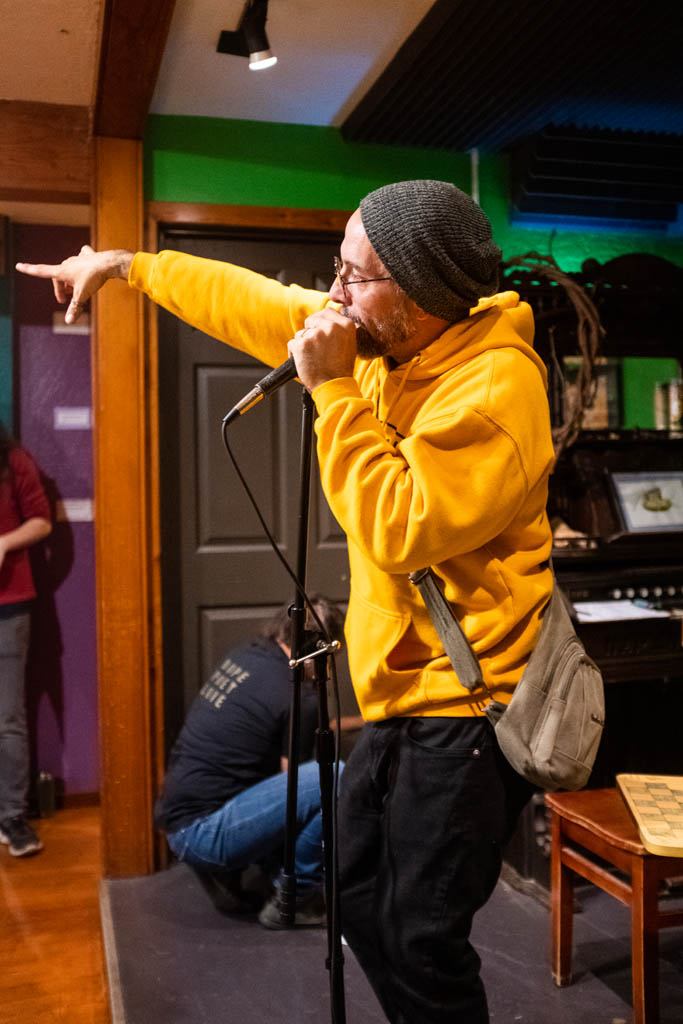
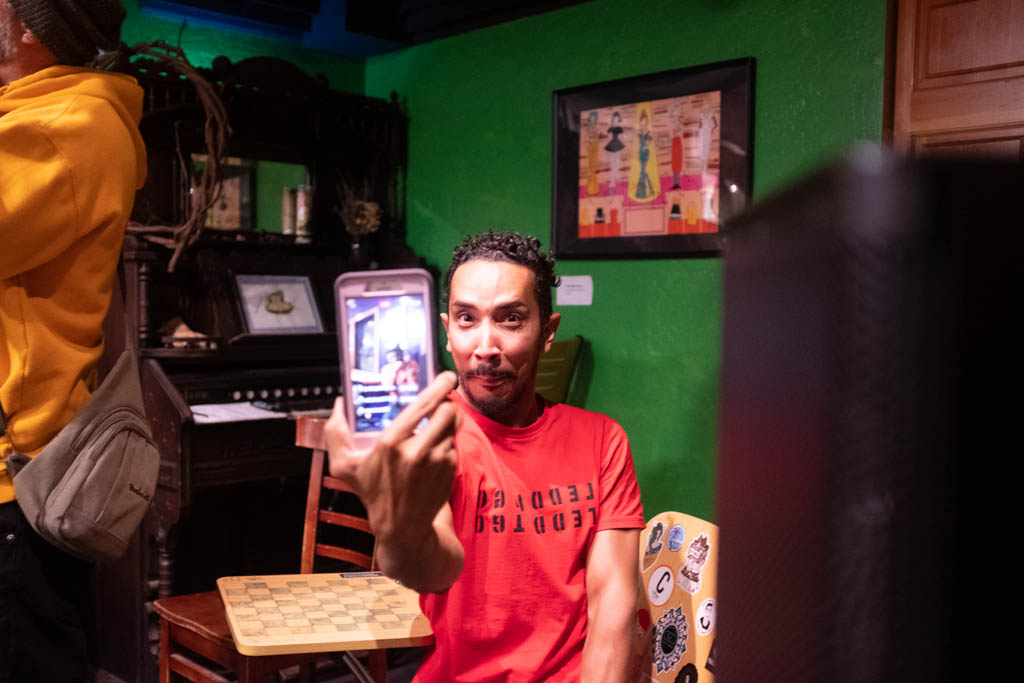

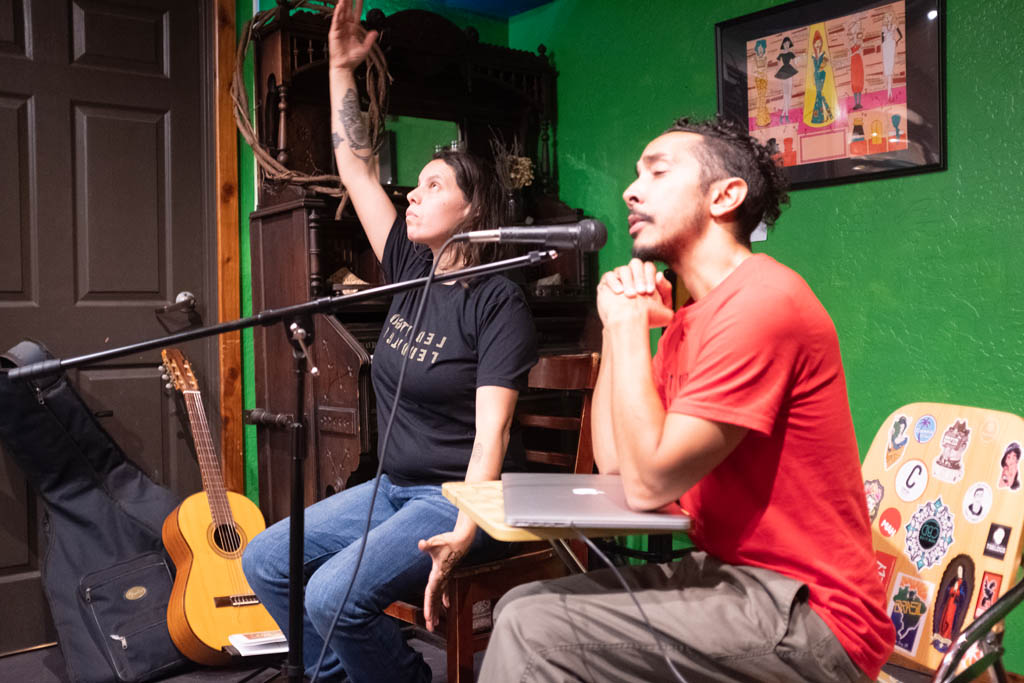
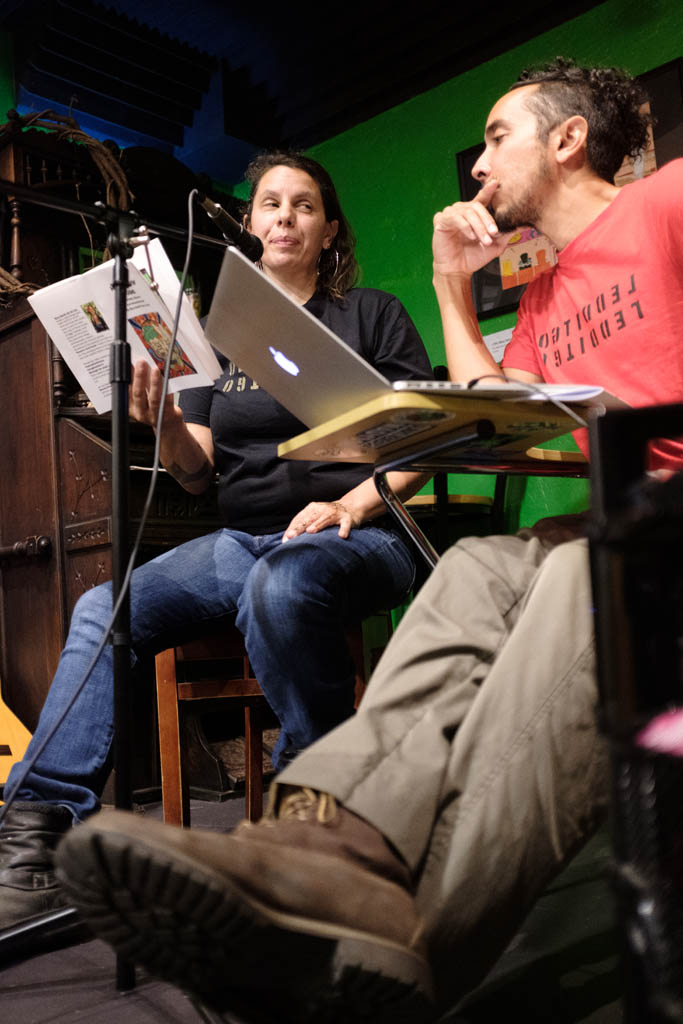
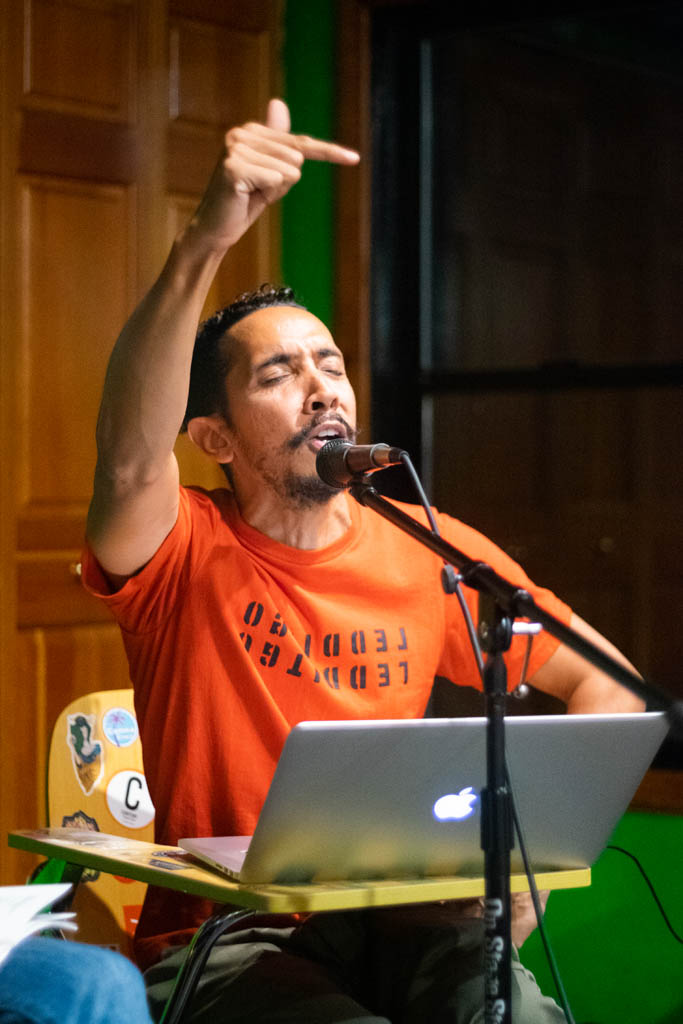
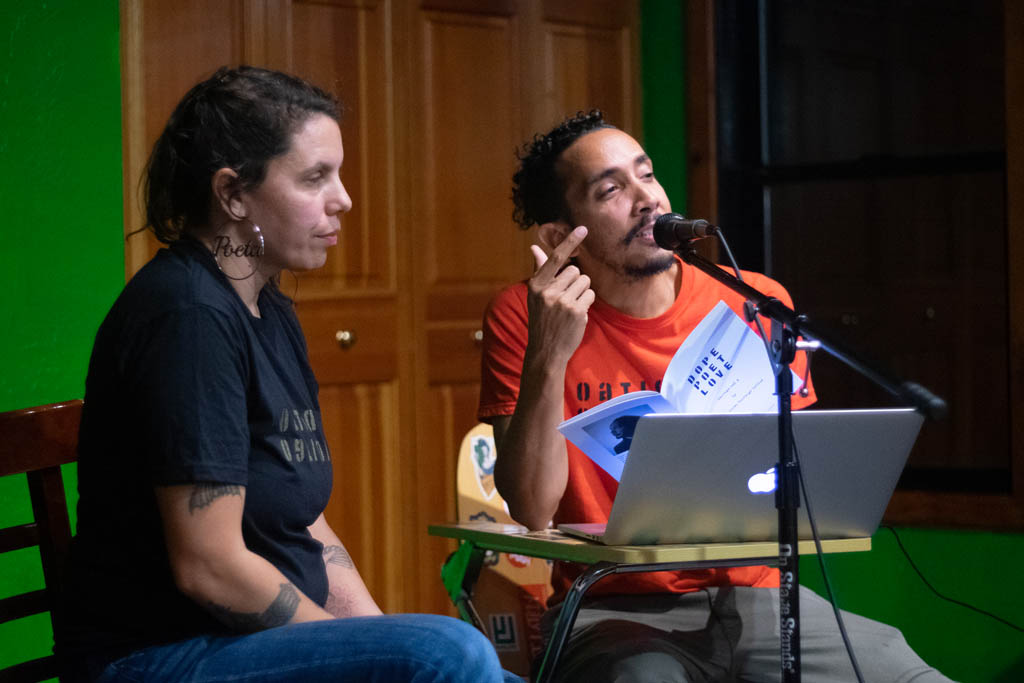
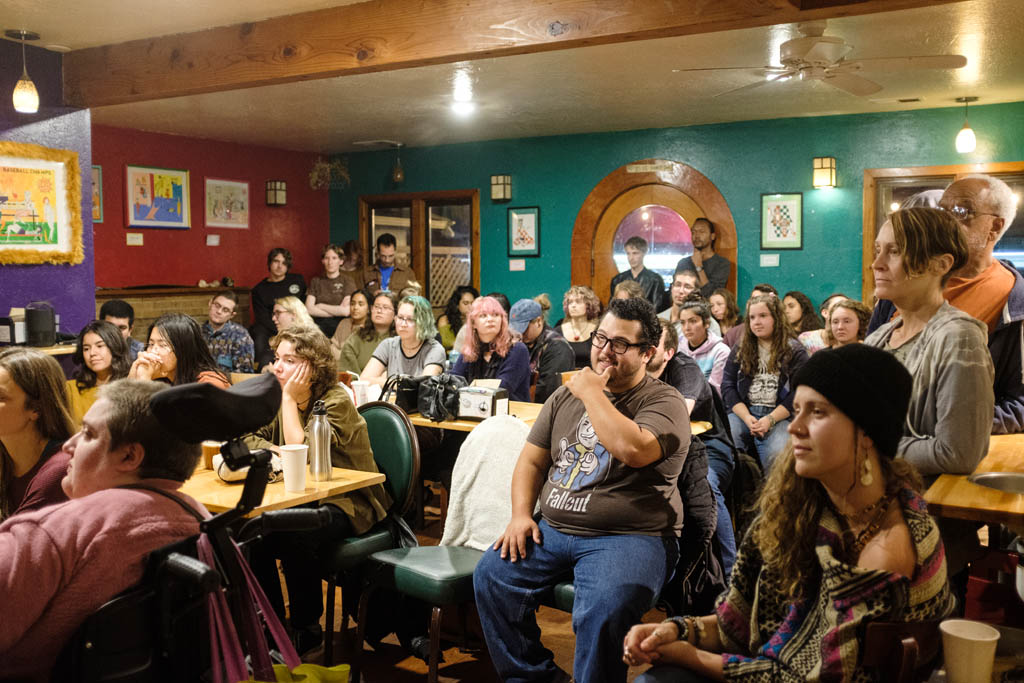

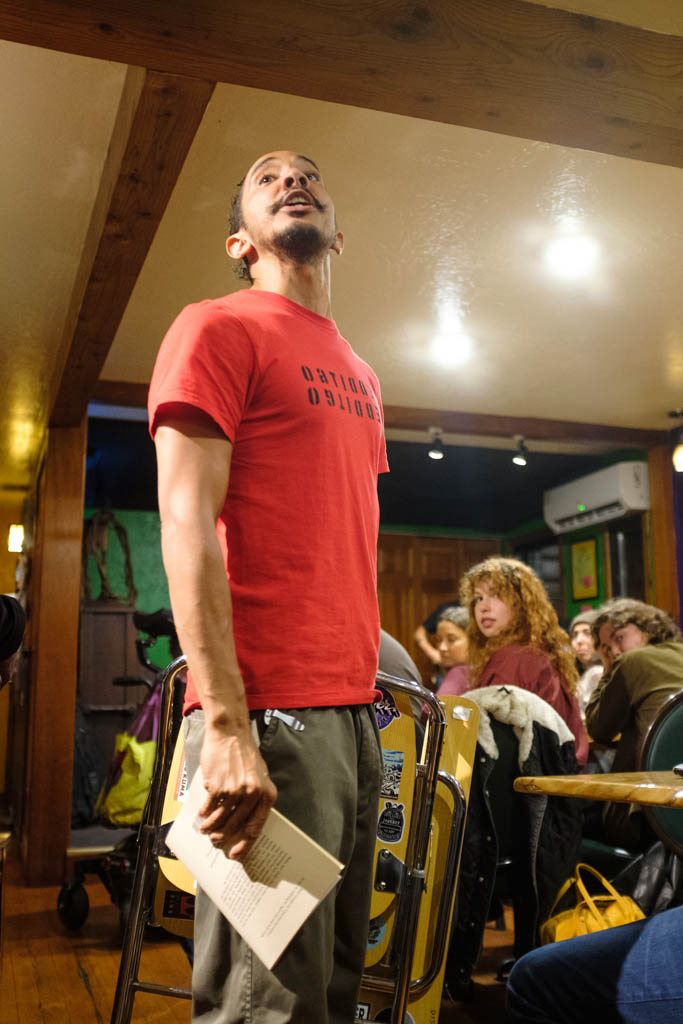

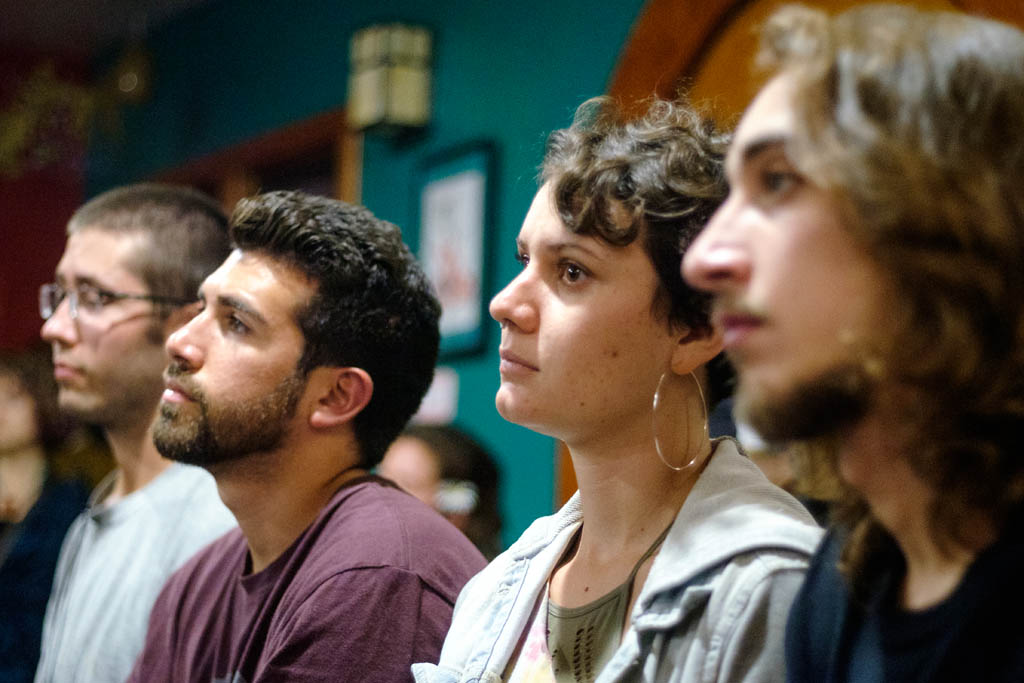
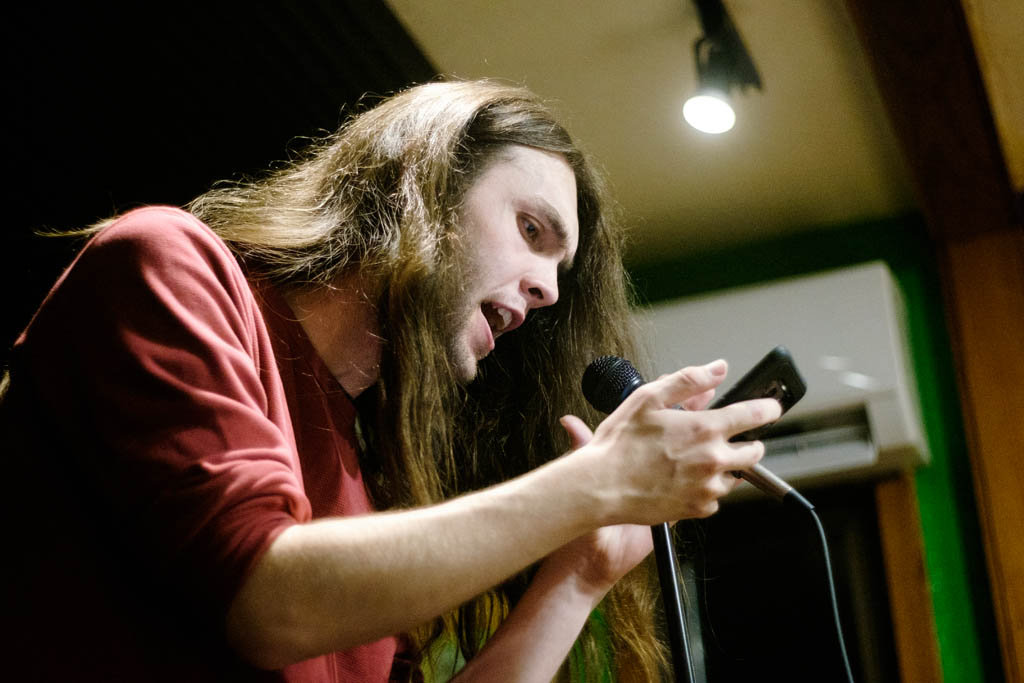

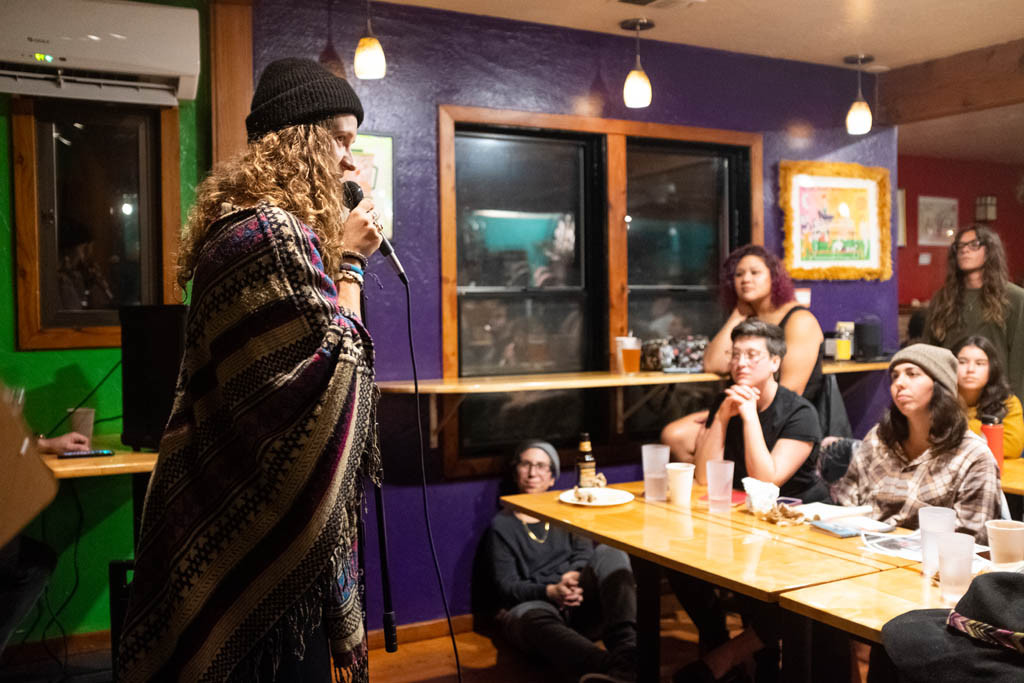


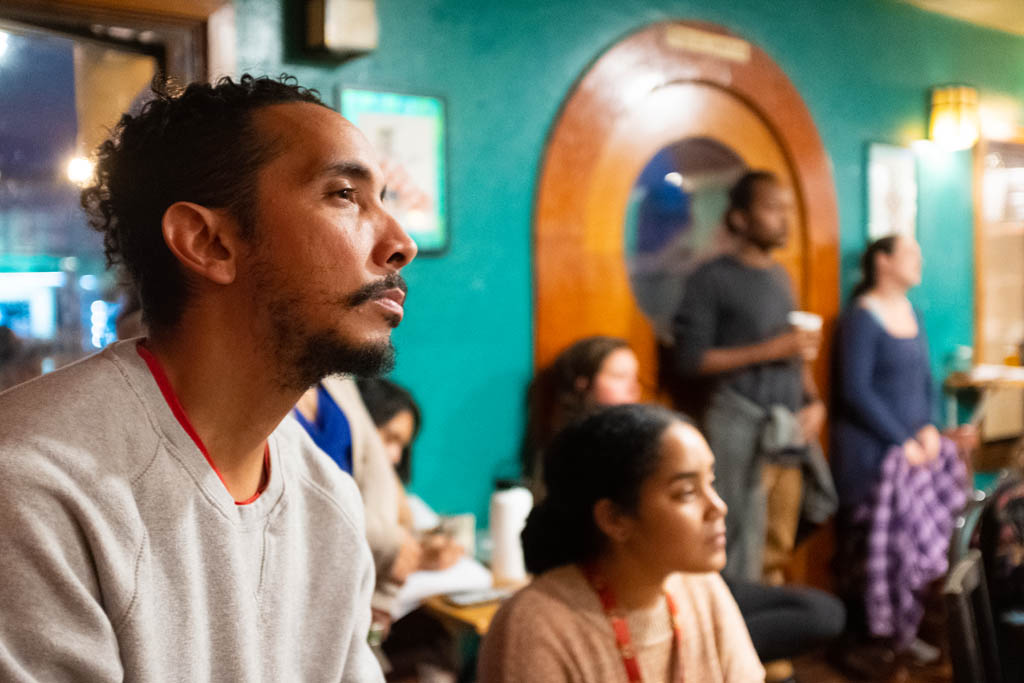
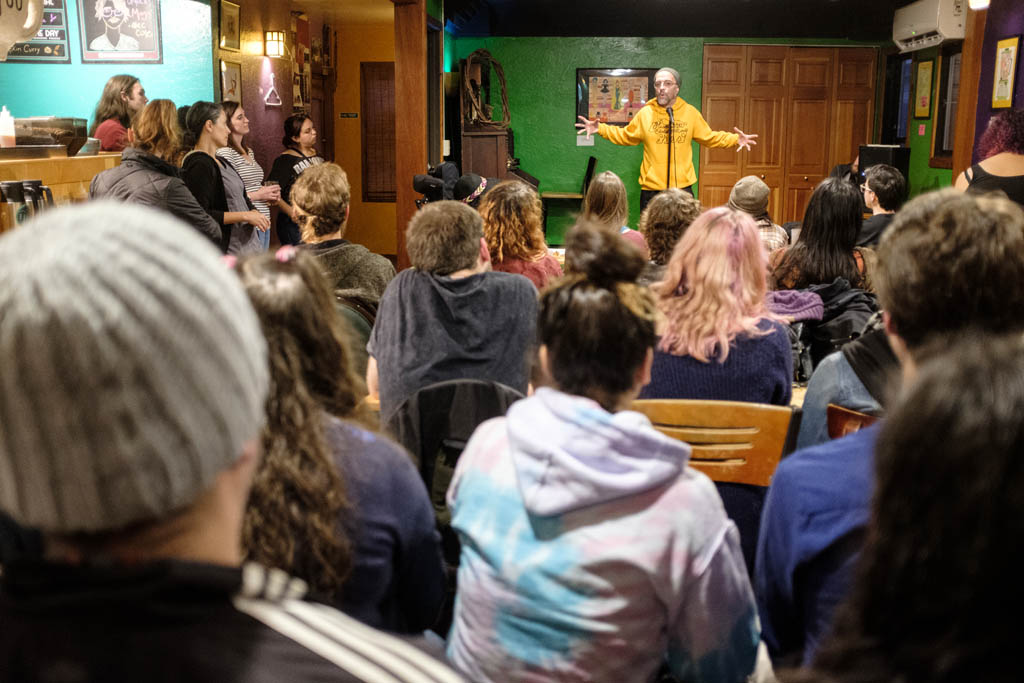
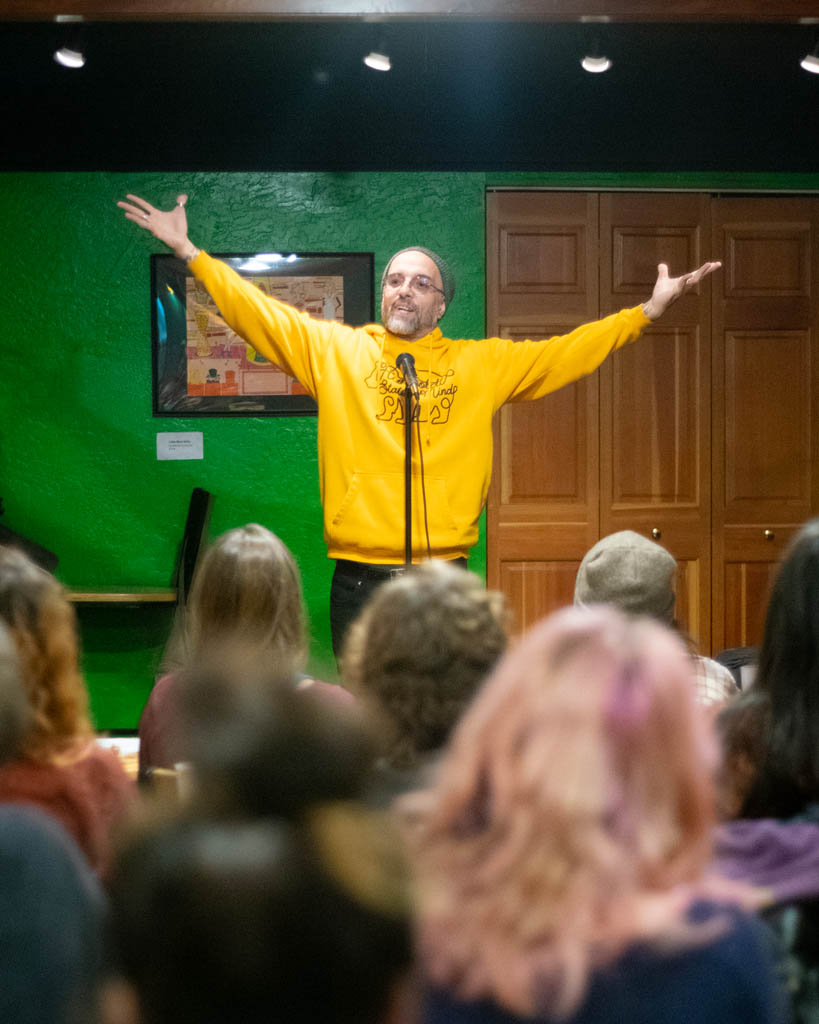
For many people, poetry is a means of therapy and personal growth. Psychology Professor Gregg Gold said two things occur when one performs poetry.
First, one expresses their emotion through the act of creating. Human beings channel their emotions by creating. Poets are no different. When people write to describe emotion, Gold says, they write in an authentic, non-superficial voice. Research suggests the act of writing something down to describe emotion makes people feel better.
Then, poets take their work to an audience to perform. The act of poetry, according to Gold, carries a unique set of risks and rewards. Public speaking for many people is terrifying, and to overcome that challenge of performing on stage promotes a positive self-image because they overcame something difficult.
The risk of reception also plays in performing. Performers look to their audience to see how their work is received.
“Who we think we are, as human beings, comes in a large part of how others react to us,” Gold said. This is called the looking-glass self theory, and it describes the phenomenon that people base a large part of their identity on what other people think about them.
In essence, people go through rough experiences and write poetry in order to invoke a feeling from other people, and perform to validate their own experiences. When a poet performs on stage, they are expressing their truest emotions to a crowd and are left with the vulnerability of being accepted or rejected. This is why Word Humboldt creates an intentional space where everyone’s words are accepted.
This space, suggested Sociologist Professor Michio Sugata, is a place where people feel safe enough to exchange ideas. “When people come together, and if they choose to continue to interact together, that means they are identifying with some type of shared meaning,” Sugata said.
This shared meaning can manifest through the difficult topics performed on stage.
“There are times where everyone’s just on a similar topic, like everyone’s talking about mental health, everyone’s talking about depression on that night, or a lot of people are talking about missed memories and it won’t be planned or like a written topic for the night,” Muro said. “Everyone is just feeling a similar way. It can be really comforting, but it can be really heavy.”
Muro, who worked with Word Humboldt for two years, said she has seen progress in creating shared meaning within the local community.
“After I started coming here, I started traveling for poetry a lot and seeing more socially-minded poetry. And that’s what I mostly write about now: stuff like systemic racism, economic inequality, educational inequality.”
Muro said she and other people of color perform on topics like systemic racism, economic inequality and educational inequality, which is absorbed by the community at large.
“Now, people not of color – our space is predominantly white – they’ll start talking about those things too, to inform each other because they’re learning about it,” Muro said. “They just learn stuff from each other.”
Open mic poetry with Word Humboldt holds a special place in the Humboldt community where ideas are exchanged and fears crushed. Poets are encouraged to perform, regardless of what they look like or what they talk about.
“I feel like poetry is an artistic act of empathy,” Holly Rae said. “It’s a way to connect yourself to other people’s emotions, and a way to connect yourself to your own emotions that may be difficult to verbalize in other ways.”
 Michael Weber